-
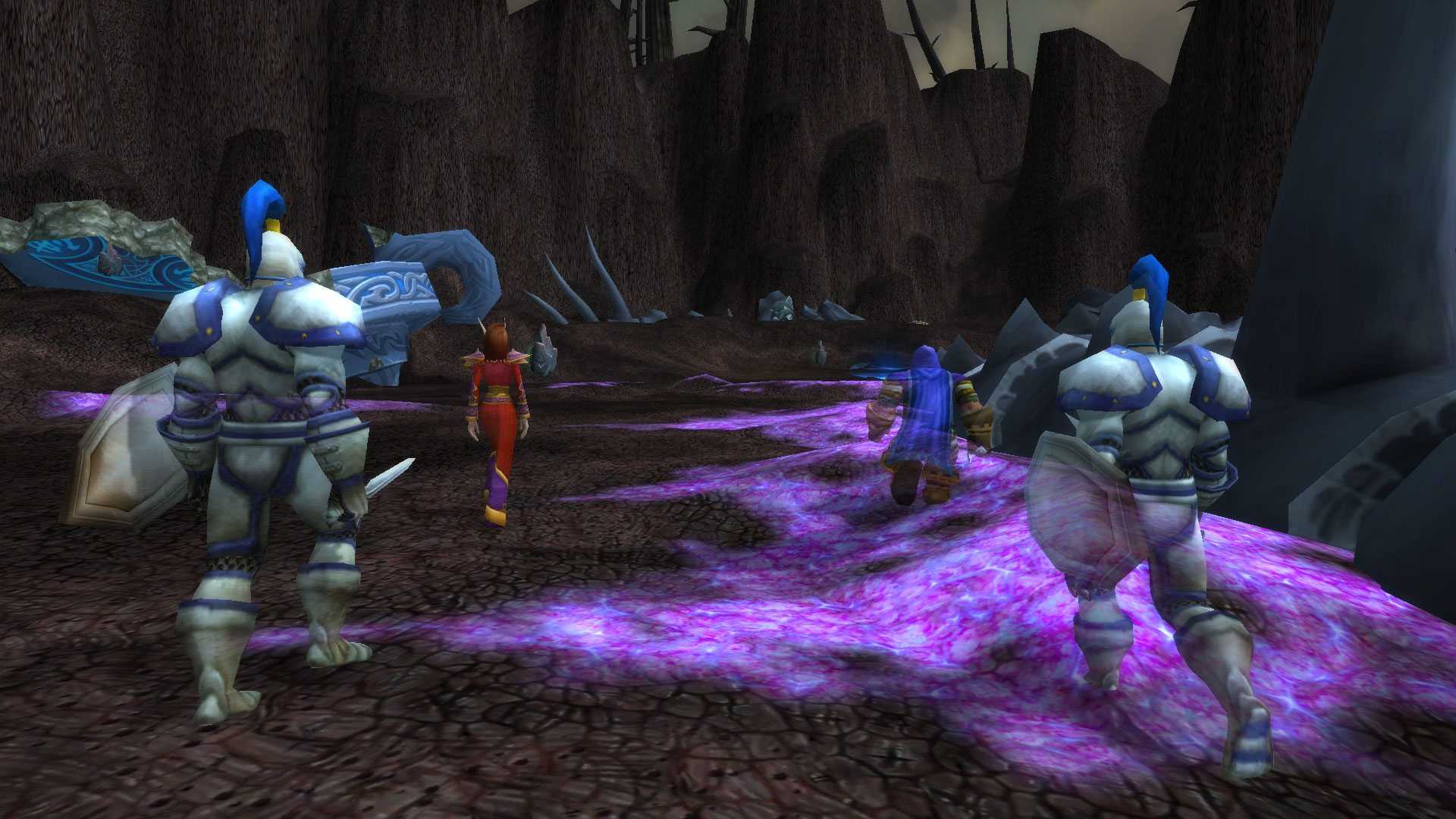
The Infinite Dragonflight and the Fall of Nozdormu: How Time Itself Became a Weapon
The Infinite Dragonflight is what happens when the guardian of time becomes its greatest threat. Behind these dragons lies the story of Nozdormu, his terrible foresight and a fate he…
-
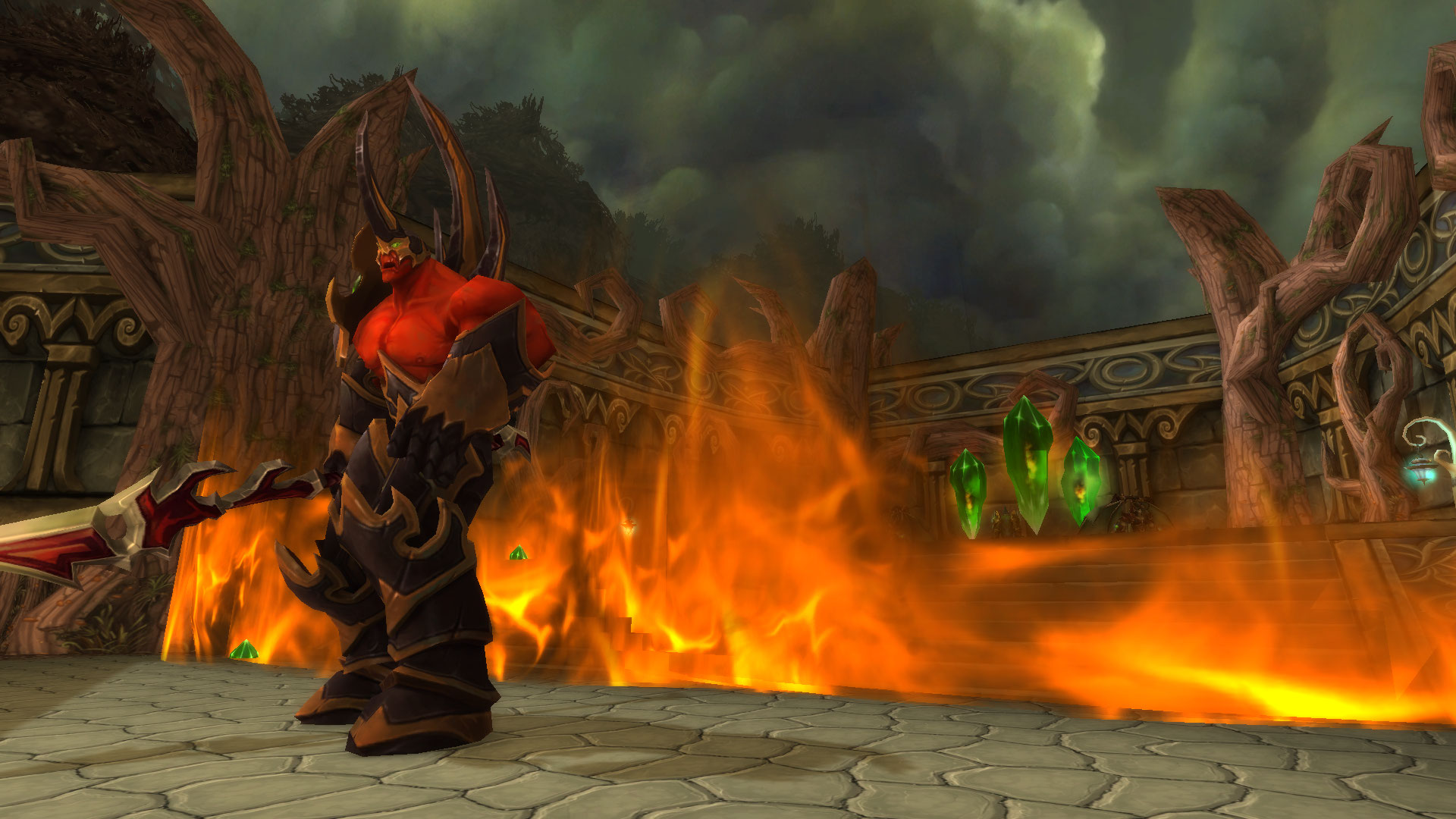
Well of Eternity in Cataclysm: How Queen Azshara’s Debut Left Players Wanting an Expansion of Her Own
The Well of Eternity dungeon sent players back to the age of the Night Elves and introduced Queen Azshara in person. She was elegant, dangerous and clearly central to the…
-
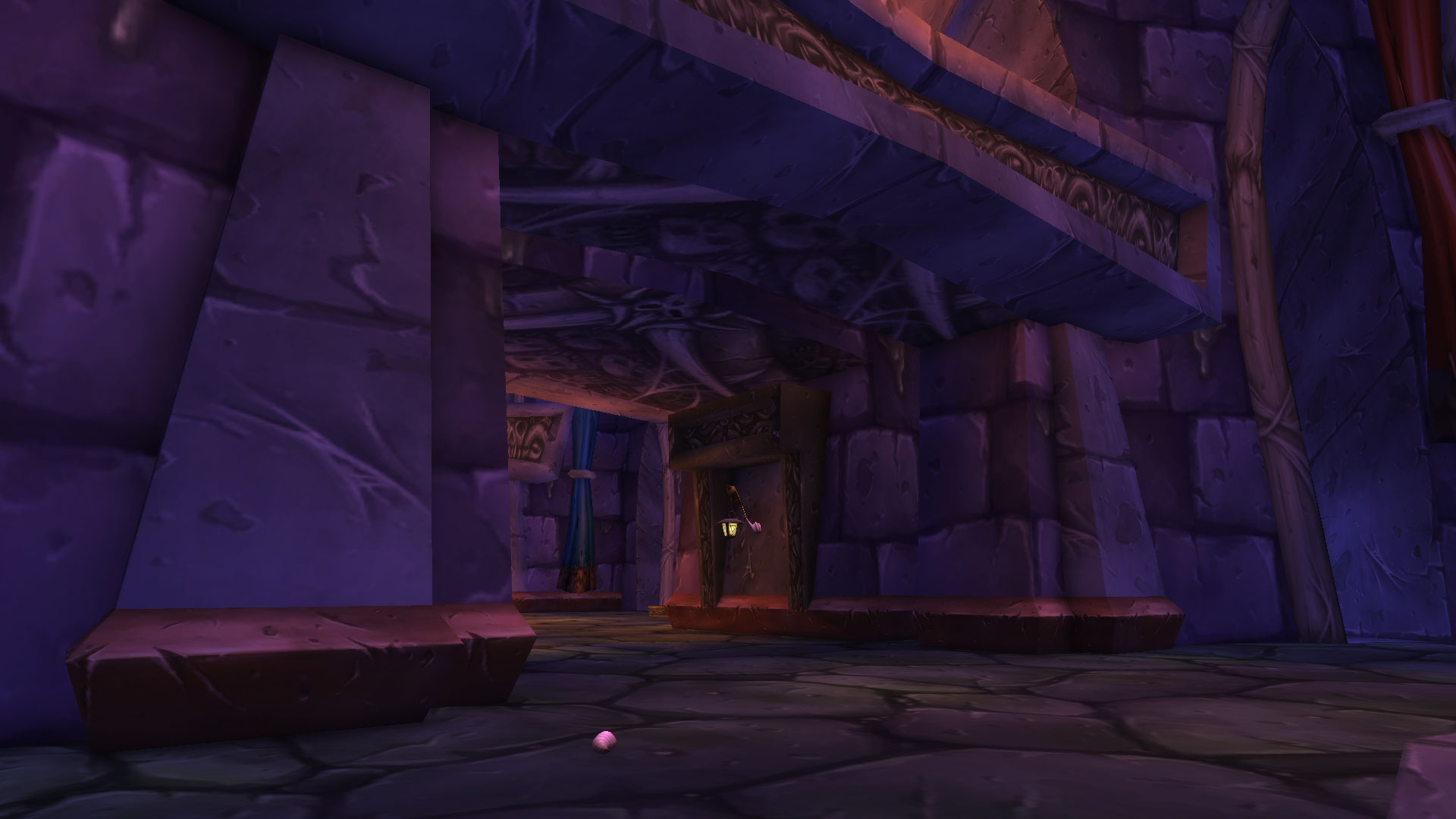
Why Wrath of the Lich King’s Naxxramas Re-Launch Made Raiding Accessible to the Masses
The re-launch of Naxxramas in World of Warcraft’s Wrath of the Lich King expansion marked a pivotal moment in the game’s history, fundamentally altering the raiding landscape. This iconic raid,…
-
When to Buy WoW Classic Gold? Fresh Realms, Raid Resets, Rank Grinds, and Auction Swings That Shape the Best Moments
Understanding the optimal times to buy WoW Classic gold is crucial for players looking to enhance their gameplay experience. With the dynamics of fresh realms, raid resets, and fluctuating auction…
-
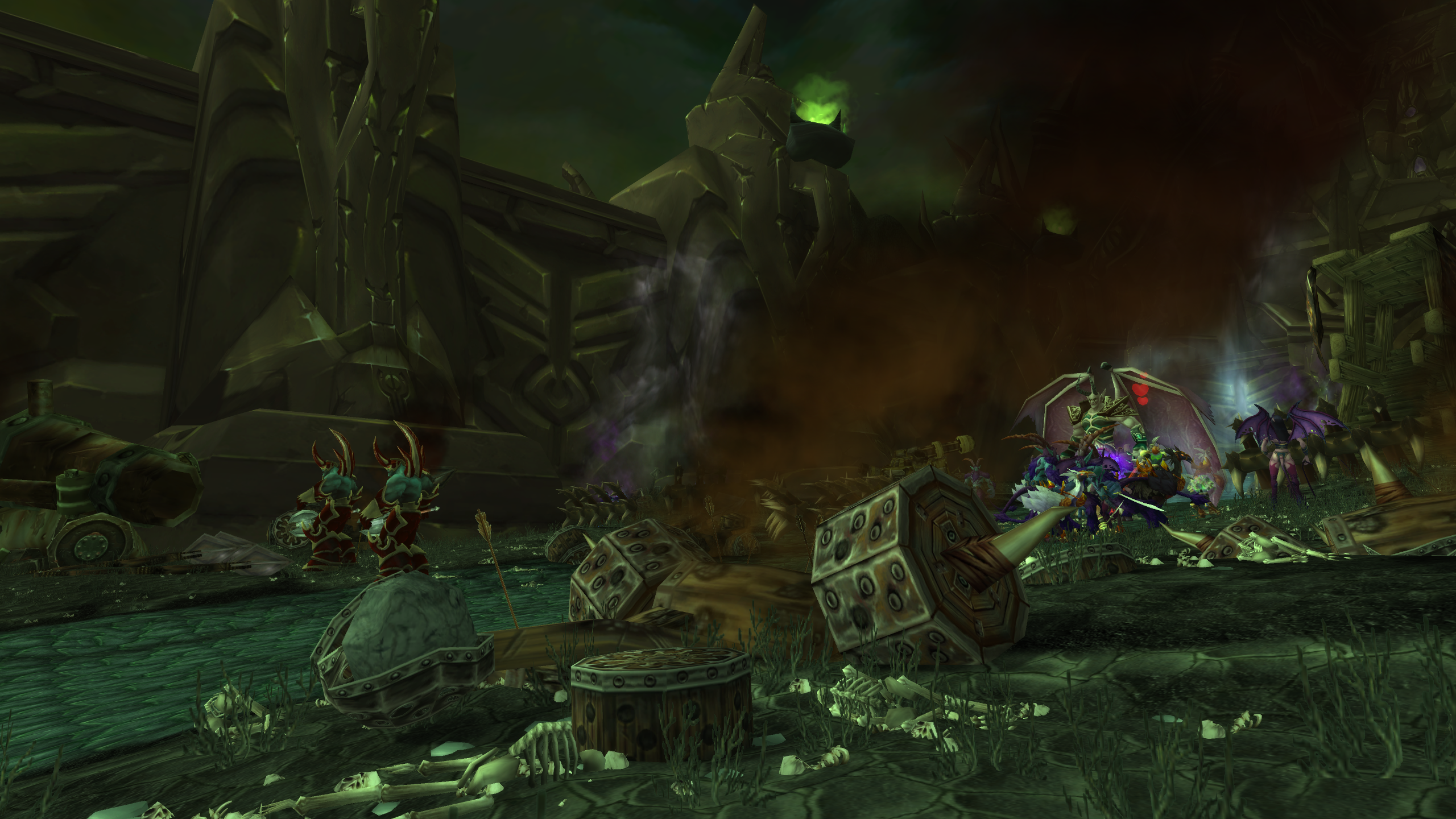
Black Temple: Invading Illidan Stormrage’s Fortress in World of Warcraft TBC
The Black Temple stands as one of the most iconic raid instances in World of Warcraft: The Burning Crusade (TBC), representing a climactic confrontation with Illidan Stormrage. This guide delves…
-
Skip the Dungeon Finder Queue: How a WoW Mythic Carry Gets You High-Level Gear Instantly
The Frustration of Dungeon Finder Delays For many players, the biggest barrier to progress is the time wasted sitting in a queue. You log on after a long day, hoping…
droidcon-boston
Lore, history and long looks back at Azeroth

Notes from the Lorekeeper’s Desk
A reflective look at the stories, kingdoms and old quarrels that shaped World of Warcraft.
Write to me
Who writes this
Have an essay?
Why the Old Raids Still Tell the Best Stories
Every raid in World of Warcraft is a chapter that someone once wrote with great care, and then left standing in the world for anyone to walk through. Long after the patch notes fade, the halls remain, and the bosses still say their lines to whoever arrives. This corner of the site is about reading those chapters slowly: who built the place, what it meant to the people who lived there, and why it still lingers in memory.
The Raid as a Chapter of Lore
A dungeon is a room, but a raid is a story told in several rooms. Naxxramas hangs above Northrend as a floating necropolis, and you feel the Lich King’s patience in its architecture before a single boss speaks. Black Temple is something else entirely: a captured fortress, a ruined temple of the Broken, a place where one faction’s sacred ground became another’s throne room. The walls argue with each other, and that argument is the lore.
Reading a Place Before Fighting In It
My habit is to spend the first visit looking rather than pulling. Where are the banners hung, whose statues were toppled, which rooms were never finished? The environment often carries a quieter history than any quest text. The weathered stonework in the Eastern Kingdoms tells you how long a kingdom stood, and the broken arches of a night elf ruin tell you how long it has been grieving.
If you want a place to begin, two essays on this site grew out of exactly that habit: one on Illidan’s fortress in Outland, and one on the Infinite Dragonflight and the fall of Nozdormu.
Memory Is Part of the Map
Players carry their own histories into these places. Someone remembers the first night they entered a raid with strangers and left with friends; someone else remembers the guild that dissolved the week before the final boss. Those memories sit on top of the official lore like handwriting in the margin of a book, and I find that the two readings improve each other. The writers gave us the stage, and we filled it with our own small chronicles.
That is why an essay about a single corridor can run long. A corridor in Azeroth is rarely only a corridor. It is a decision someone made about how a villain should be introduced, a nod to an earlier chapter, and a memory for thousands of people who walked it on a Tuesday night.
When the Calendar Is Shorter Than the Story
Not everyone has the evenings to follow a progression schedule, and the story is long. Some readers with a crowded week reach a late-tier encounter through a WoW Mythic Raid Boost so that they can stand in the room, see the finale with their own eyes and take their screenshots, then go back to reading the lore at their own pace. However you arrive, what matters to me is that the place gets looked at.
How I Read an Encounter
Every boss fight is a scene with a speaker, a motive and a stage. I try to ask three plain questions of each one:
- Who is this character, and what did they lose before the fight began?
- What does the arena itself say about the history of the ground?
- Which earlier story does this encounter quietly answer?
The answers are rarely tidy. Azeroth’s writers changed over the years, directors came and went, and a thread dropped in one expansion is sometimes picked up in another. Following those seams is half the pleasure, and it is why I keep returning to the older material.
Why Directors and Eras Matter
Lore does not arrive from one voice. Each era of the game carries the habits of the people who led it, and you can sometimes tell a patch’s authorship by its mood: the brooding Northrend winters, the sprawling cosmic scale of later worlds, the return to smaller, more personal stakes. Reading with that in mind turns apparent contradictions into a conversation between writers across the years, and it makes the older raids feel less like relics and more like opening statements in an argument that is still going.
A Short Reading Path
If you are new here, start with the oldest chapters and move forward. Read the zone before the raid, the raid before the expansion, and the expansion before the argument about it. The archive above is arranged newest first, but nothing stops you from walking backwards through it, one essay at a time.
Questions, corrections and arguments about canon are welcome through the contact page, and the person behind these notes is introduced on the lorekeeper’s page.