To build a successful WoW raid roster, start by understanding each class’s roles: tanks for absorbing damage, healers to sustain health, and DPS to deal damage. Guarantee your team has role flexibility and complementary class synergies for maximum effectiveness. Balance between melee and ranged DPS to manage varied encounters and prioritize essential buffs and debuffs. Recruit skilled players with the right gear and experience, using trials and performance logs to verify readiness. Assign duties clearly, adapting to raid mechanics, and foster communication with platforms like Discord. Master these strategies, and your raid team will be primed for success.
Key Takeaways
- Prioritize a balanced team with optimal class synergy and complementary utilities for effective raid performance.
- Recruit skilled players by setting clear gear and experience criteria and verify capabilities through trial raids and log reviews.
- Ensure role flexibility by encouraging dual-spec and regular practice in secondary roles for adaptability.
- Maintain clear communication using voice platforms and dedicated channels for organized strategy discussion and feedback implementation.
- Assign specific duties based on specialization to enhance efficiency in positioning, threat management, healing focus, and interrupt management.
Understanding Class Roles
When assembling a successful WoW raid roster, understanding class roles is crucial. You need to know how each class fits into your strategy, ensuring ideal class synergy. Begin by categorizing players into tanks, healers, and damage dealers. Tanks absorb damage and maintain threat, healers sustain everyone’s health, and damage dealers (DPS) focus on reducing enemy health pools swiftly.
Class synergy is essential. Certain classes complement each other, amplifying their strengths. For instance, pairing a Warrior tank with a Discipline Priest can provide both robust damage mitigation and efficient healing. Another example is combining a Mage’s crowd control with a Rogue’s burst damage, efficiently controlling the battlefield while inflicting heavy damage.
Role flexibility is equally important. Aim to recruit players comfortable in multiple roles. A Druid, for example, can switch between healing, tanking, and dealing damage, ensuring adaptability mid-raid. This flexibility safeguards your raid against unexpected challenges, like a tank disconnecting or a healer struggling. Encourage raiders to dual-spec and practice their secondary roles regularly.
Balancing Team Composition
Crafting the perfect raid team requires meticulous balancing of your composition. You must prioritize synergy optimization, guaranteeing all classes and specs complement each other’s strengths. Start by defining your core roles: tanks, healers, and DPS. A well-rounded team accounts for every possible scenario, from burst damage phases to sustained damage-over-time encounters.
To optimize synergy, consider the buffs and debuffs each class brings. For instance, a Shaman’s Bloodlust can dramatically enhance a Mage’s damage output, while a Warlock’s curses can make enemies more vulnerable to physical attacks. Guaranteeing a good mix of melee and ranged DPS helps maintain balanced damage distribution, allowing your team to adapt to different boss mechanics.
Effective damage distribution is pivotal. Too little burst damage may leave your raid struggling during high-pressure phases, while too much reliance on crowd control may weaken your output during sustained fights. Always aim for a balanced roster that can seamlessly switch strategies if needed.
Strategically, you’ll want to blend classes with complementary utilities to deal with specific raid mechanics. This planning guarantees your team operates like a well-oiled machine, handling every challenge confidently and cohesively. Fundamentally, balance is your key to optimizing raid performance.
Recruiting Skilled Players
Selecting skilled raiders is imperative for a successful raid team. You need individuals who not only know their class but also understand raid mechanics and can adapt quickly. Start by developing clear player recruitment strategies. Target specific class needs and roles, and define the minimum gear level and experience for applicants. Craft detailed recruitment posts showcasing these requirements to attract serious candidates.
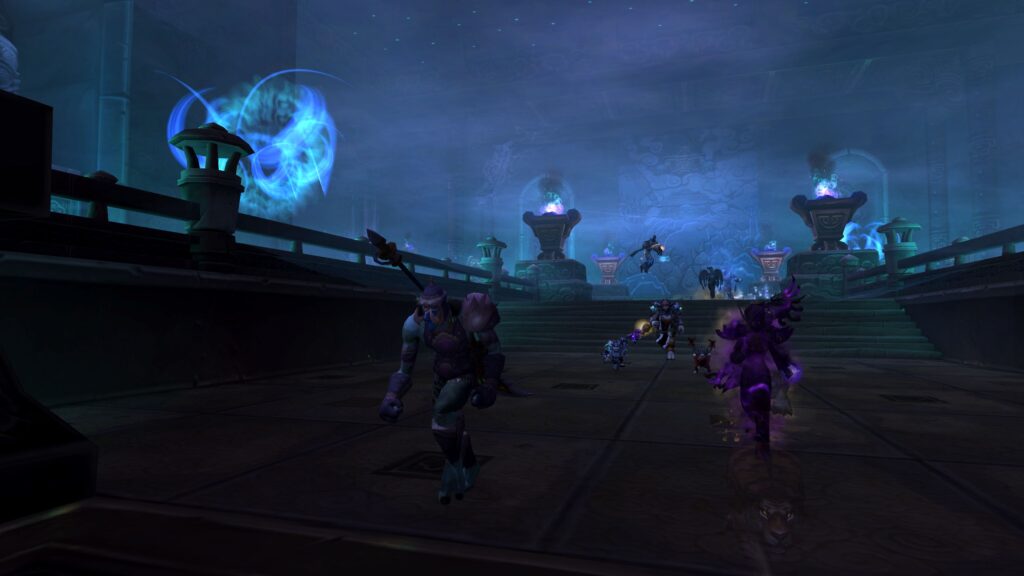
Utilizing social media can considerably boost your recruitment efforts. Share your posts on dedicated WoW forums, Reddit’s r/wowguilds, and relevant Discord servers. Don’t forget about Facebook groups and Twitter. Engage actively with responses and private messages to sift through potential recruits swiftly.
When evaluating candidates, run trial raids or Mythic+ dungeons. Observe their performance, communication, and teamwork. Check logs from sites like Warcraft Logs to verify their raid history and DPS/HPS numbers. These steps will help you identify not just skilled players but those with a raid-ready mindset.
Assigning Specific Duties
You’ve assembled a roster of skilled raid members. Now, it’s vital to assign specific duties to guarantee a seamless raid. Role specialization is key; recognize each player’s strengths and match them to the right tasks.
For tanks, designate players with exceptional positioning and threat management skills. Healers need to be versatile, capable of adjusting their healing focus based on the raid’s immediate needs. Your DPS (Damage Per Second) roles require individuals who can execute high damage while following mechanics flawlessly.
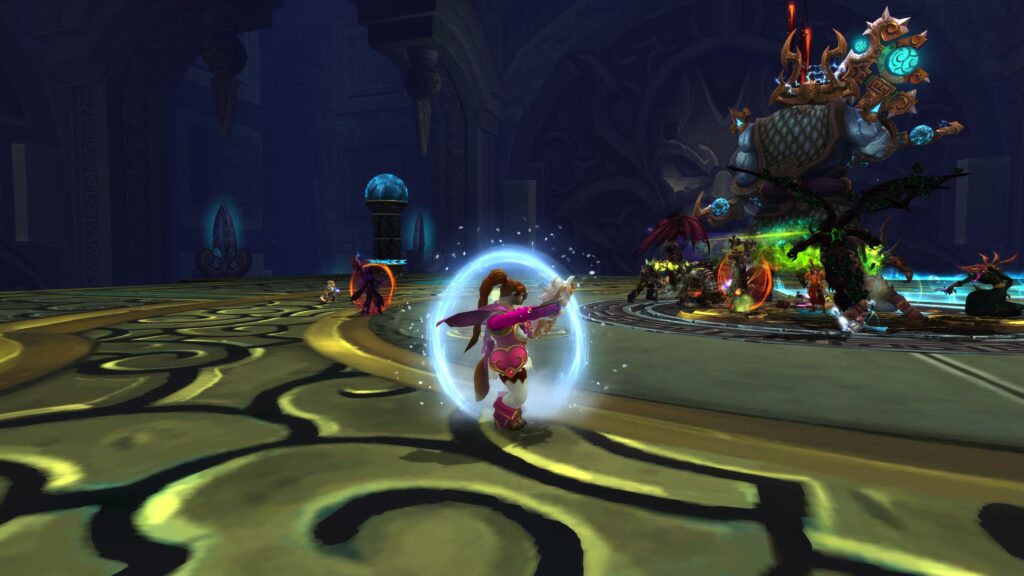
Duty distribution goes beyond simple role assignments. For instance, assign one DPS to handle interrupting enemy spells, while another focuses on managing adds. Tanks should know exactly when to swap or use defensive cooldowns, and specific healers might need to concentrate on tank healing versus raid-wide healing.
Clear, precise assignments minimize confusion and enhance efficiency. You should create a spreadsheet or document detailing specific responsibilities, guaranteeing everyone knows their role. By strategically distributing duties and leveraging role specialization, you build a cohesive team capable of tackling WoW’s toughest challenges. Remember, successful raiding isn’t just about gear and DPS meters—it’s about impeccable coordination and understanding each duty.
Fostering Team Communication
The backbone of any successful raid group is unwavering team communication. Clear and consistent dialogue enables you to tackle even the most challenging encounters. By fostering open channels of communication, you strengthen team dynamics and create an environment where everyone feels empowered to contribute.
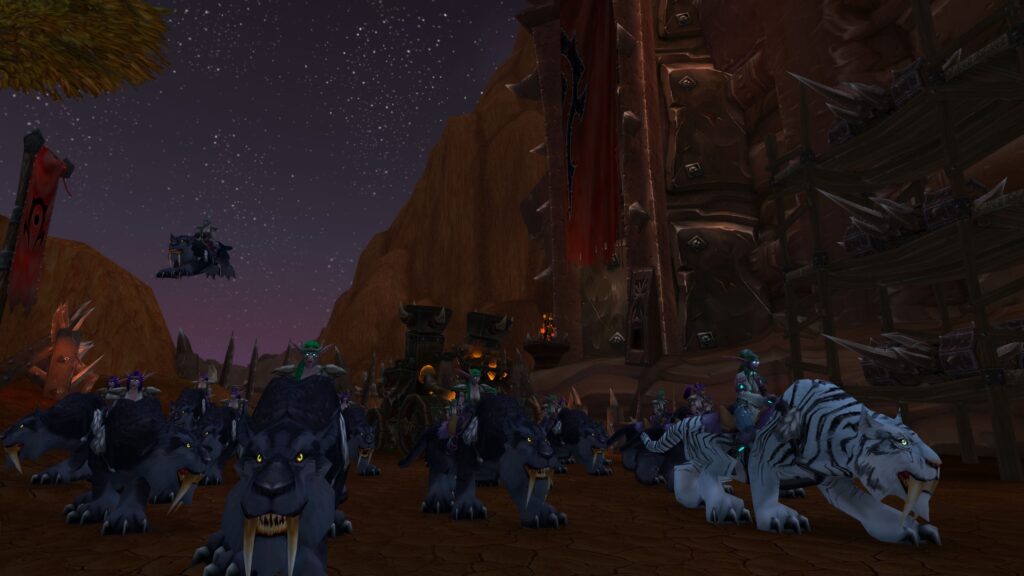
To achieve this, consider the following strategies:
- Utilize Voice Comms: Platforms like Discord or TeamSpeak are essential for real-time coordination. Confirm everyone has a working mic and knows when to speak and when to listen.
- Establish Feedback Loops: Regularly review performance and strategies post-raid. Encourage honest, constructive feedback to continuously improve.
- Define Roles Clearly: Everyone should know their responsibilities. Clear role definitions eliminate confusion and confirm each player can focus on their tasks.
- Set Up Raid Channels: Dedicate chat channels for raids to keep everything organized. This helps separate important raid information from casual chat.
- Encourage Active Listening: Make sure everyone is not just hearing but understanding the strategies and calls being made. Active listening promotes a cohesive understanding among all team members.
Frequently Asked Questions
How Do You Handle Raid Scheduling Conflicts?
To handle raid scheduling conflicts, you need to set clear communication priorities. Make sure everyone knows the raid times in advance and be open to flexible scheduling when conflicts arise. Use tools like group chats or a shared calendar to keep everyone in the loop. Actively listen to your team members’ concerns and adapt as needed. By being strategic and authoritative, you’ll manage conflicts effectively without disruptions.
What Is the Best Way to Manage Loot Distribution?
To manage loot distribution effectively, you should use a loot council system. This guarantees decisions are made strategically for the team’s benefit. Random rolls can add some fairness, but they must be balanced with clear transparency policies. Guarantee everyone’s aware of the fairness standards set, like prioritizing performance and attendance. Being transparent and fair builds trust among your raiders, guaranteeing a happy, motivated team.
How Do You Maintain Player Motivation Throughout Progression?
To maintain player motivation throughout progression, you’ve got to prioritize goal setting and positive reinforcement. Clearly outline objectives and celebrate each milestone your team achieves. Regularly recognize individual and group contributions, fostering a sense of accomplishment and camaraderie. Guarantee open communication and address any concerns promptly. By creating a supportive and rewarding environment, you keep everyone engaged and enthusiastic to push forward. Consistent motivation hinges on structure and acknowledgment.
How Should You Deal With Underperforming Raid Members?
When dealing with underperforming raid members, provide immediate performance feedback. Address specific areas needing improvement and suggest targeted practice for skill improvement. Be clear, supportive, and set achievable goals. Regular check-ins guarantee they’re progressing and feel valued. If necessary, consider additional training or role reassignment. Maintaining open communication and a strategic improvement plan keeps morale high and performance consistent. Don’t let issues fester; prompt action fosters overall team success.
What Tools or Add-Ons Are Essential for Effective Raid Management?
To effectively manage raids, you’ll need essential coordination tools and communication apps like Discord for real-time strategy and planning. Use attendance trackers to guarantee reliable participation. Performance metrics from add-ons like Details! help identify improvement areas. Strategy planners such as WeakAuras aid in complex mechanics. Finally, engagement features in tools like Raider.IO keep your team motivated and informed. These tools streamline management and optimize raid efficiency.
Conclusion
Balancing class roles with player skills isn’t just a strategy, it’s an art. While a perfectly balanced team shines in theory, the real magic happens when skilled players communicate seamlessly. It’s a dance; knowing when to lead and when to follow, fostering unity through assigned duties, and recruiting passionate participants. So, don’t just aim for a raid team—craft a well-oiled machine. Remember, it’s teamwork and strategy that truly conquer Azeroth.
Enjoyed this post? Share your thoughts on our blog!