To build the perfect guild, start by clearly defining your goals. This guides your recruitment message, ensuring it attracts members who share your aims. Highlight your guild’s unique features, set clear expectations, and outline growth opportunities. Use platforms that align with your guild culture to reach prospective members effectively. Establish clear rules and responsibilities to keep everyone on the same page and set a structured communication system for efficient management. Delegate tasks and celebrate victories to maintain a positive environment. With these strategies, you’ll not only master recruitment and management but also create a thriving guild that stands the test of time. Discover more as you go further.
Key Takeaways
- Clearly define guild goals and communicate them to attract aligned members.
- Craft an engaging recruitment message that highlights unique features and benefits.
- Choose recruitment platforms that match the guild’s culture and reach target members.
- Set clear rules, expectations, and a structured communication system for effective management.
- Delegate responsibilities and celebrate achievements to maintain a positive and cohesive environment.
Identifying Your Guilds Goals
Before delving into recruitment, it’s important to first clearly define what your guild aims to achieve. Are you aiming to form a competitive raid team, or is the focus more on casual play? The goals you set will guide every decision you make, from the guild rank structure to the management of the guild bank. As a guild leader or guild master, it’s vital to communicate these objectives clearly to potential members.
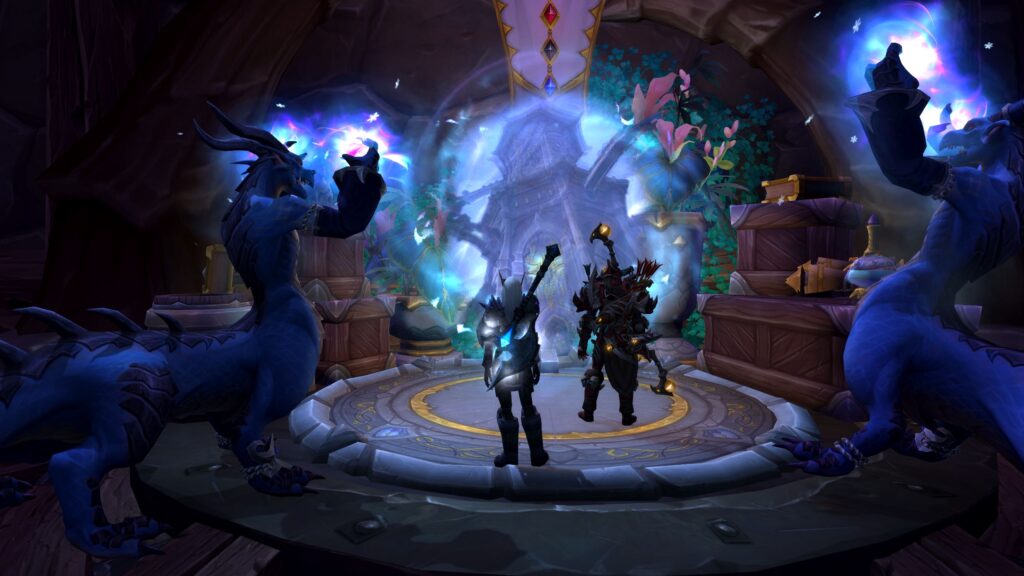
For a raiding guild, for example, your goals might include not only assembling a skilled team but also establishing a fair loot distribution system and scheduling regular raid times. This clarity helps in attracting members who share your ambitions and are willing to contribute to the guild bank and adhere to the guild rank system you’ve established.
Don’t forget to leverage community forums and other community platforms to share your guild’s vision and goals. This visibility can help you attract members who are aligned with your objectives. By setting clear, achievable goals, you’re laying the foundation for a successful and organized guild. Whether you’re raiding the toughest dungeons or exploring the world together, having a shared purpose will unite your members and enrich their gaming experience.
Crafting an Appealing Recruitment Message
Crafting an appealing recruitment message is essential in attracting members who resonate with your guild’s goals and ethos.
Your message is the first impression potential members will have, so it’s important to highlight what makes your guild unique and what members can expect upon joining. Here are a few key elements to include:
- Extra Functionality: Mention any special tools or systems your guild uses to enhance the gaming experience. Whether it’s a custom app for organizing raids or a unique points system for rewards, showcasing these features can attract gamers looking for a guild that goes the extra mile.
- Default Rank and Progression: Clearly outline the starting rank new members will hold and how they can advance within the guild. This transparency sets expectations and shows that your guild values growth and achievement.
- Guild Houses: If your game supports it, highlight the benefits of your guild houses. These can be a big draw for players who love the social and strategic aspects of guild-based gameplay.
Selecting the Right Platforms for Recruitment
After establishing a compelling recruitment message, it’s time to contemplate where best to share it to reach potential guild members. The platforms you choose are important because they determine the pool of gamers you’ll attract. Think about where your ideal members hang out online. Are they scrolling through Reddit, engaging in Discord communities, or maybe they’re active on specific game forums? Each platform has its vibe and audience, so pick the ones that align with your guild’s culture and objectives.
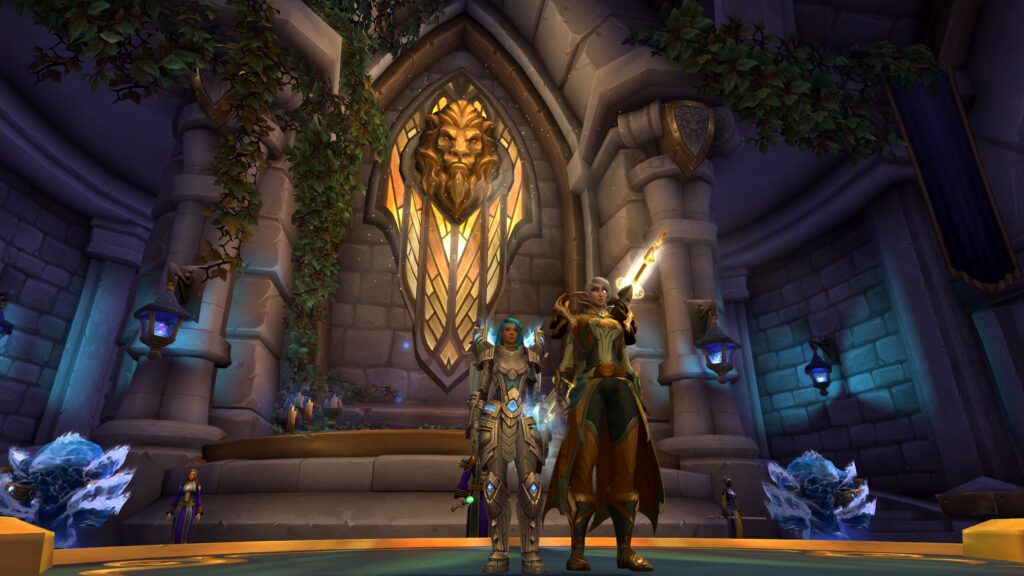
For instance, if you’re aiming for a casual, friendly guild, platforms with a strong community feel, like certain Facebook groups or game-specific forums, might be your best bet. On the other hand, if you’re all about hardcore raiding, look into Discord servers or Subreddits dedicated to high-level play. Don’t forget about the in-game recruitment tools as well; many games offer built-in ways to advertise your guild.
Establishing Clear Rules and Expectations
Once you’ve chosen where to locate your future guild members, it’s crucial to establish clear rules and expectations to guarantee everyone’s on the same page.
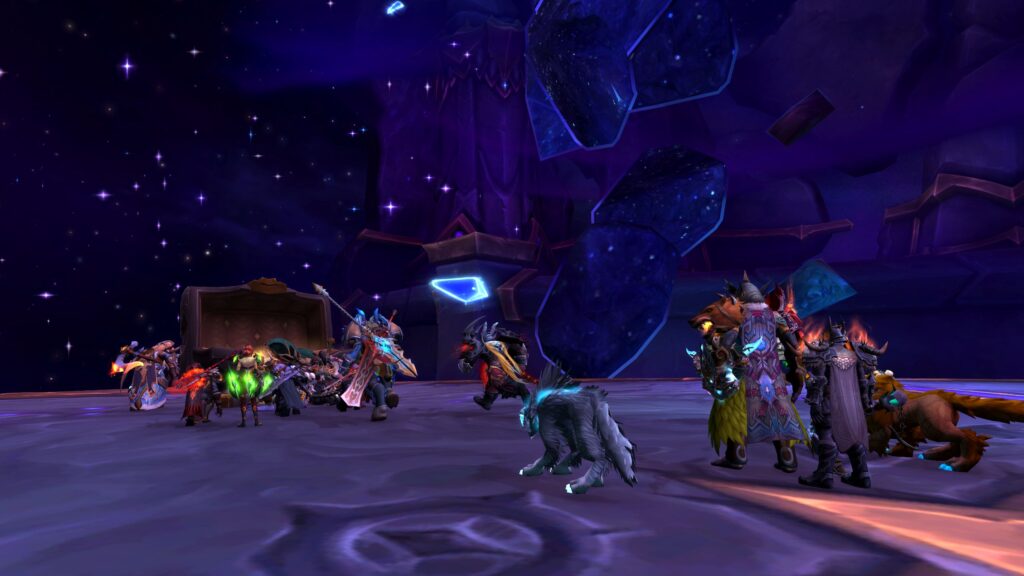
Setting the groundwork for your guild’s culture and operations early on can save you a lot of headaches down the line. Here’s how to make sure you’re all moving in the same direction:
- Clearly define roles and responsibilities: Make sure each member knows what’s expected of them, whether it’s in raids, guild management, or social events. This clarity helps prevent confusion and ensures tasks are completed efficiently.
- Set communication standards: Decide on how and where your guild will communicate (in-game, Discord, etc.) and establish guidelines for behavior in these spaces. Respectful and constructive communication is key to maintaining a positive environment.
- Outline participation requirements: Whether it’s attending guild meetings, participating in events, or contributing to guild resources, make sure members know what’s expected regarding involvement. This helps keep everyone engaged and contributes to the guild’s overall success.
Implementing Effective Management Strategies
To effectively manage your guild, you’ll need to employ strategies that motivate members and streamline operations. One key approach is setting up a structured communication system. You might think, ‘Well, we chat during raids,’ but it’s essential to have platforms for off-raid discussions too. Consider tools like Discord for real-time chats and a forum or a dedicated website for more permanent information and schedules.
Next, delegate responsibilities. You can’t do it all. Identify members who are enthusiastic and capable of taking on roles such as event planning, recruitment, or managing the guild bank. This not only lightens your load but also empowers members, making them feel valued and invested in the guild’s success.
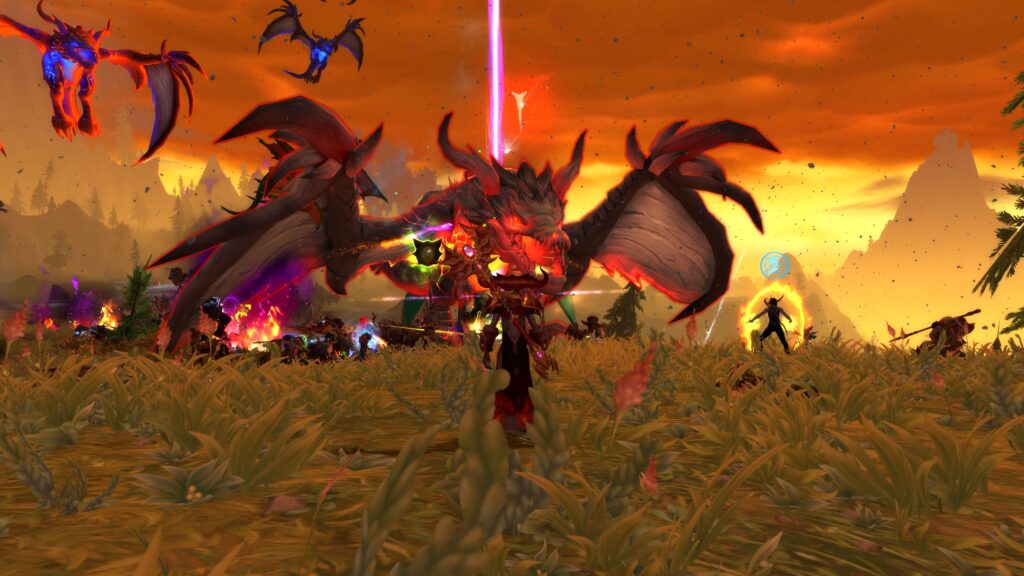
Don’t forget about regular meetings. Whether it’s weekly or bi-weekly, these meetings are essential for discussing strategies, upcoming events, and any issues. Make them engaging by asking for input from all members and recognizing achievements.
Lastly, implement a transparent feedback system. Constructive criticism can help improve performance, but it’s vital to balance this with recognition of effort and success. Celebrate victories, big or small, and always aim for a positive and inclusive environment where members feel supported and motivated.
Frequently Asked Questions
How Do You Deal With Language and Cultural Differences Within a Guild?**
You’ll want to embrace diversity, setting up clear communication guidelines that respect everyone’s backgrounds. Encourage members to share their cultures, and perhaps consider multilingual officers to help bridge any language gaps. It’s all about inclusivity and understanding.
What Are Innovative Ways to Keep Guild Members Engaged During Periods of Low Activity or Game Content Drought?**
To keep your guild vibrant during quiet spells, think outside the box. Host virtual meet-ups, trivia nights, and skill-building workshops. It’s about building a community, not just playing together. Keep the camaraderie alive!
How Can a Guild Balance Competitive Play With Maintaining a Welcoming Environment for Casual Players?**
To balance competitive play with a welcoming environment for casuals, you’ll want to set clear expectations and goals. Create separate teams or events, ensuring everyone has their place without sacrificing the guild’s overall vibe.
What Are the Best Practices for Handling Conflicts Between Guild Members That Don’t Directly Violate Established Rules?**
When guild members clash without breaking rules, it’s tricky. You’ve gotta listen, mediate, and find common ground. It’s about balancing fairness with harmony, ensuring everyone feels heard without escalating the conflict further.
How Can a Guild Leader or Management Team Effectively Delegate Responsibilities Without Losing Oversight or Control?**
To effectively delegate without losing control, you’ll need to trust your team’s capabilities. Assign tasks based on members’ strengths and set clear expectations. Regular check-ins guarantee things are on track without micromanaging.