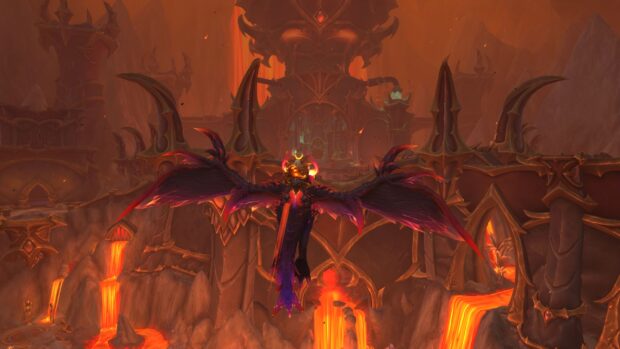
Casual raiding in World of Warcraft involves maneuvering several hurdles that can impact your gaming experience. Inconsistent attendance from teammates due to real-life commitments and varying player skill levels make progress tough. Effective communication and leadership are essential to coordinating roles and strategies, while flexible scheduling helps balance personal obligations. Gear progression can also be slow, exacerbated by RNG loot systems and competition for drops. Managing time efficiently and fostering a supportive raid environment can mitigate these issues. Exploring these aspects further will provide deeper insights into enhancing your casual raiding adventures.
Key Takeaways
- Inconsistent attendance due to personal commitments and low motivation disrupts raid flow.
- Variability in player skill levels creates frustration and hinders group performance.
- Communication barriers, including language differences and tech issues, complicate coordination.
- Limited playtime and inefficient scheduling reduce overall raid productivity.
- Slow gear progression and unfair loot distribution exacerbate player dissatisfaction.
Inconsistent Attendance
Inconsistent attendance can be a significant challenge in casual raiding groups. You know how it feels when you’ve prepared for a raid, only to find key players missing. It’s frustrating and disrupts the group’s flow, often leading to incomplete raids and demoralized members. So, what’s the main issue? It’s about balancing raid motivation and attendance incentives.
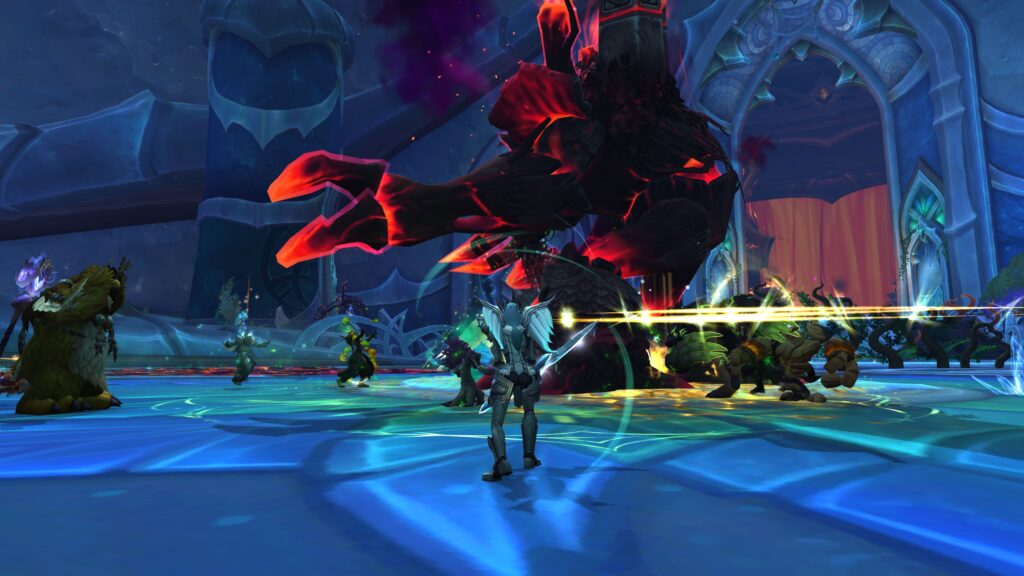
To tackle this, you need to understand why people are inconsistent. Life happens—work, family, or personal commitments can all affect attendance. But often, it’s also about motivation. Players might skip raids if they’re not invested enough or if the rewards don’t seem worthwhile.
You should consider creating attendance incentives to keep everyone engaged. This could include awarding special loot, recognition, or even fun, in-game events for consistent raiders. Make it clear how these incentives relate to the group’s goals. Point out how regular attendance not only helps the team but also improves individual performance.
Varying Skill Levels
In casual raiding, you’ll often encounter players with varying skill levels, which can impact your group’s overall performance. Managing mixed player experience requires coordination and effective communication to guarantee everyone knows their roles. By fostering a supportive environment, you can bridge skill gaps and enhance team cohesion.
Mixed Player Experience
Mixed player experience, especially varying skill levels, presents a distinctive challenge in casual raiding within World of Warcraft. As a raider, you know that player motivation can greatly differ between members of your group. Some players seek cutting-edge progression while others prefer a laid-back adventure. These divergent goals can impact raid synergy, presenting a hurdle in achieving collective success.
Player Motivations and Impact on Raid Synergy
| Player Type | Motivation |
|---|---|
| Hardcore Player | High-level progression |
| Casual Player | Social interaction |
| New Player | Learning and growth |
Hardcore players often feel frustrated when casual players can’t keep up, leading to potential tension. Meanwhile, casual players may feel pressured by the demanding expectations of their more experienced peers. This disparity can create an imbalance in raid synergy, where a unified strategy is hard to maintain.
To navigate these challenges, it is crucial to foster an environment where all players feel valued. Consider setting clear objectives that cater to different motivations. Encouraging experienced players to mentor newcomers can also help bridge skill gaps, improving overall raid performance while promoting a cohesive, enjoyable experience for everyone involved.
Coordination and Communication
Effective coordination and communication are pivotal in a raid environment where skill levels vary. When your group consists of seasoned veterans and enthusiastic novices, managing team dynamics becomes essential. Successful raids hinge on cohesive strategy development and role differentiation. Leaders must set clear expectations and devise strategies that cater to varied skill sets.
- Expectation Management: Establishing realistic goals guarantees everyone knows what’s expected, reducing frustration.
- Feedback Loops: Constructive feedback helps players improve and keeps motivation high.
- Conflict Resolution: Addressing disputes promptly maintains harmony in the team’s dynamics.
Leadership challenges often arise, demanding effective communication skills. You’ll need to provide direction clearly while also listening to your team’s concerns. Role differentiation assigns appropriate tasks based on individual strengths, guaranteeing every player contributes effectively.
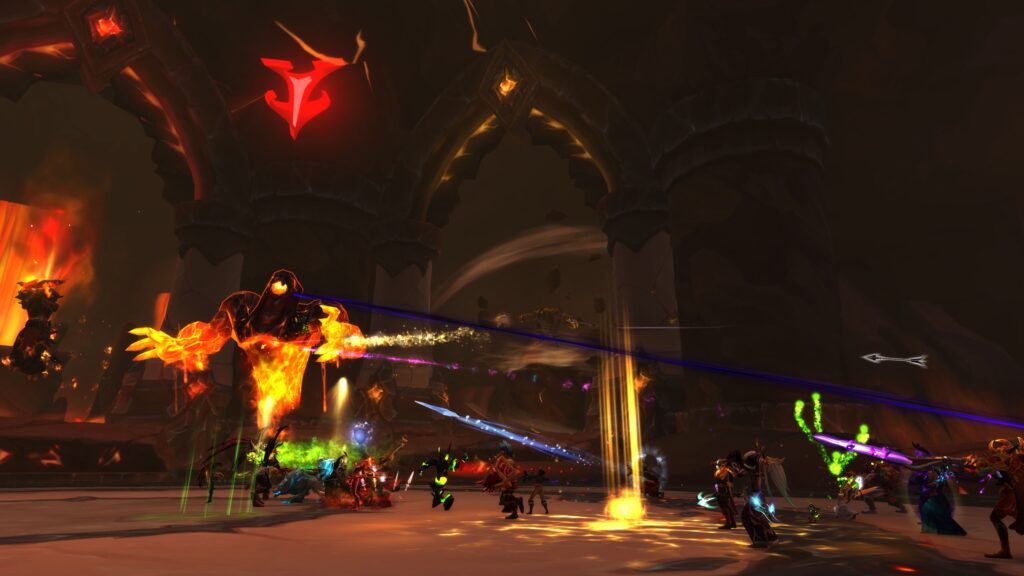
Player motivation is also critical. Motivated players are more inclined to engage in strategy development actively and adapt to feedback loops. Encourage a culture of continuous improvement where everyone, regardless of skill level, feels valued.
Ultimately, fine-tuning coordination and communication in a diverse group helps manage conflicts, maintain motivation, and lead the team to raid success. By embracing these practices, you create a positive environment where all members can thrive.
Limited Play Time
Balancing World of Warcraft with limited play time can indeed be challenging, but it’s entirely doable with the right strategies. Effective time management is your best ally here. Prioritize your in-game goals and identify what raid content is most important. By focusing your limited hours on key activities, you maximize productivity.
Flexible scheduling is another tool to embrace. Coordinate with your raid group to find ideal times that fit within your availability. Many casual guilds understand that their members have varied commitments and can accommodate unconventional schedules. Utilize tools like shared calendars or Discord reminders to keep everyone on the same page.
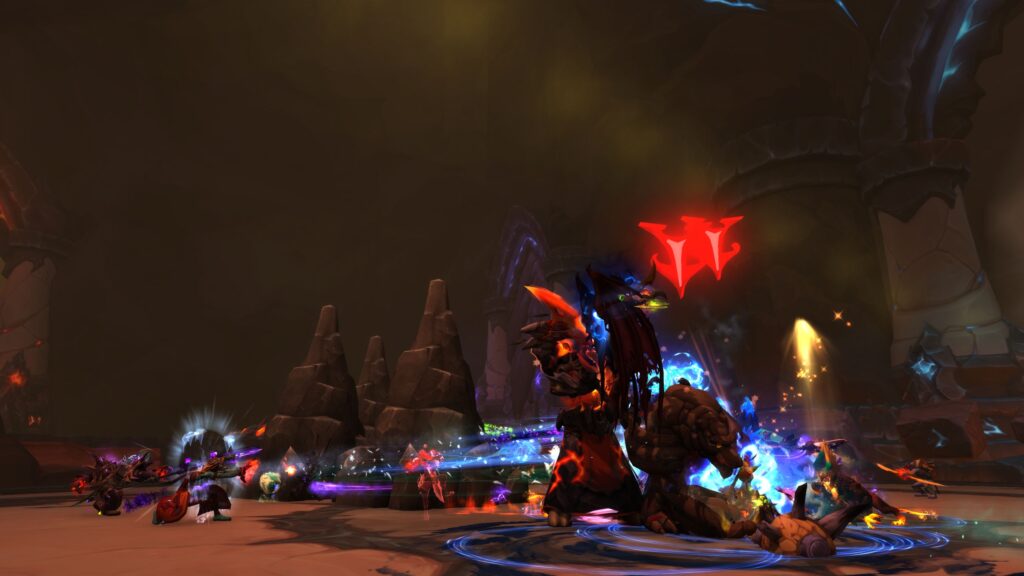
Commit to efficient gameplay. When time is short, jumping straight into raid preparations—ensuring your character is raid-ready with necessary consumables, addons, and gear—is vital. Avoiding distractions means you can spend more time engaged in the actual content you love.
Lastly, valuing quality over quantity can enhance your experience. Limited play time doesn’t mean you can’t progress; it just means you’ll do so more strategically. By adopting a focused, well-coordinated approach, you’ll still find World of Warcraft rewarding without feeling overwhelmed.
Gear Progression Issues
When you’re a casual raider, slow loot acquisition can make gearing up feel like an uphill battle. Gear disparity between casual and hardcore players exacerbates this issue, leading to frustrations during raids. Additionally, the complexity of upgrade paths can leave you overwhelmed, making efficient gear progression even more challenging.
Slow Loot Acquisition
Grappling with the concept of slow loot acquisition in World of Warcraft can be a significant hurdle, especially for casual raiders. Unlike their hardcore counterparts, casual players often don’t have the time to raid multiple nights a week. The loot drop mechanics, primarily driven by RNG influence, can amplify this issue. A raid boss may drop only a handful of items, and if those pieces aren’t what you need, progression feels stunted.
Here’s why slow loot acquisition can be so frustrating:
- Rarity and RNG: Even if you defeat the hardest bosses, RNG might just not be on your side. Weeks can go by without seeing a single upgrade.
- Raid Lockout System: With a weekly lockout, you only get one chance per week per boss. That’s not much opportunity for gearing up quickly.
- Competition for Gear: When you finally see the coveted loot drop, you’re not the only one vying for it. The more players who need the same item, the slimmer your chances.
Understanding these elements shows the intricacies of gear progression and why it can slow down your journey as a casual raider.
Gear Disparity Problems
A significant concern during your progression in World of Warcraft is the ever-present gear disparity problem. As a casual raider, you’ll notice that gear catch up methods often fall short, leaving you with significant stat differences compared to hardcore players. This imbalance directly affects class balance, as some classes rely more heavily on specific stats to perform efficiently.
The itemization impact is clear; poorly itemized gear can bottleneck your progression pacing, creating frustration and hindering your overall experience. However, there are casual strategies you can employ to mitigate these issues. Focus on guild support; a well-coordinated guild can provide you with opportunities to participate in raids and obtain better loot, helping to bridge the gear gap.
Loot disparities within raids can also create friction among team members, but establishing clear loot distribution rules can alleviate this tension. It’s crucial to implement a fair system that guarantees everyone gets a chance to improve their gear consistently. Ultimately, addressing gear disparity problems requires collective effort and strategic planning to enhance your progression in World of Warcraft without the grind feeling overwhelming. By leveraging these strategies, you’ll find a more balanced raiding experience.
Upgrade Path Complexity
Beyond the disparities in gear and their frustrating consequences, another significant hurdle is the complexity of the gear upgrade paths themselves. For casual raiders, maneuvering through these intricate systems can feel overwhelming. You’re not just battling bosses; you’re battling an endless cycle of decisions to optimize your character’s performance.
First, identifying the best upgrade pathway requires a deep understanding of multiple variables. These include stat priorities, item levels, and bonus effects, all of which need to be balanced against each other. This is where strategy optimization becomes vital, but it’s a task easier said than done.
Second, the current loot distribution system can scatter essential gear pieces across various content types, from dungeons to raids and world quests. This dispersion forces you to engage with game modes that might not align with your preferred playstyle or time availability.
Third, currency and resources required for upgrades add another layer of complexity. Maneuvering through a maze of valor points, soul ash, or other in-game currencies can be intimidating.
- Stat Priorities and Item Levels: Aligning upgrades for maximum effect.
- Loot Distribution: Acquiring necessary gear pieces from myriad sources.
- Currency Management: Juggling multiple in-game currencies for gear upgrades.
Without a streamlined system, gear progression remains an intricate puzzle that requires constant attention and meticulous planning.
Raid Coordination
When it comes to raid coordination in World of Warcraft, clear communication and effective leadership are vital. As the raid leader, you need to guarantee role clarity from the get-go. Assigning roles based on each player’s strengths isn’t just about filling spots; it’s about strategic planning. A well-coordinated team where every healer, tank, and DPS understands their responsibilities can turn the tide in challenging encounters.
Strategic planning goes beyond just knowing bosses’ mechanics; it involves pre-raid discussions where tactics are laid out meticulously. You’ll want to brief your team on positioning, cooldown usage, and potential improvisations if things go south. But remember, even the best plans need flexibility. Be prepared to adapt on the fly.
Communication tools like Discord can facilitate real-time adjustments and keep everyone on the same page. Typed commands or voice chats should be concise and easy to understand, minimizing confusion. It’s also vital to foster an atmosphere where feedback is welcomed, and mistakes are learning opportunities. This approach keeps morale high and encourages continuous improvement. With solid raid coordination, your casual team can punch above its weight and conquer formidable content.
Balancing Real-Life Commitments
One key aspect of maintaining a casual raiding environment in World of Warcraft is balancing real-life commitments with in-game goals. As a casual raider, you likely juggle work, family, and social obligations. This makes time management essential for ensuring you can still enjoy the game without neglecting other areas of your life.
Effective scheduling flexibility can help you find a balance. Here are three strategies to bear in mind:
- Set Realistic Goals: Define what you want to achieve within the game each week. Maybe it’s completing specific raid tiers or progressing through certain bosses. Clear, attainable goals can help you allocate your gaming time more efficiently.
- Communicate Availability: Make sure raid leaders and fellow guild members know your availability in advance. This fosters an understanding environment and helps the raid team adjust plans as needed.
- Prioritize Tasks: Identify both in-game and real-life tasks that are time-sensitive. Prioritize these tasks to prevent conflicts and allow smoother shifts between gaming and personal responsibilities.
Communication Barriers
Communication barriers can greatly impact the effectiveness of a casual raiding team in World of Warcraft. Let’s explore the key issues you might face and how they can be tackled. Initially, language preferences and cultural differences can create misunderstandings. If your team has members from diverse backgrounds, you’ll need to bridge these gaps. While English is often the common language, slang misunderstandings can lead to confusion.
Tech issues, like microphone malfunctions or internet lag, can further disrupt communication. Ensuring everyone’s tech is up to par helps maintain smooth voice clarity. Encouraging regular checks and software updates can minimize these interruptions.
Player expectations also vary widely in casual raiding groups. Some might be looking for a strictly achievement-focused run, while others might be in it for socializing. Clear, upfront discussions about goals and playing styles can prevent frustrations. Aligning expectations often necessitates an attitude adjustment toward more inclusive and patient interactions.
Lastly, effective feedback exchange is essential. Constructive criticism that is respectful and precise can foster improvement without hurt feelings. This requires awareness of each player’s sensitivities and a culture of appreciation.
Tackling these barriers head-on can elevate your raiding experiences.
Finding a Raid Group
Addressing communication barriers in your casual raiding team sets a solid foundation for smooth operations. When you’re looking to find a raid group in World of Warcraft, understanding raid objectives, group dynamics, and social interactions is essential. You’ll need to align yourself with a group whose raid strategies and participation incentives match your player motivation and scheduling flexibility.
To effectively find a raid group, consider these three points:
- Guild Expectations: Look for guilds that have clear raid objectives and role assignments. A well-organized guild will outline what they expect from team members, ensuring everyone knows their responsibilities and goals.
- Community Support: Engage with the community. Join forums and Discord channels where players discuss raid strategies, share experiences, and support each other’s goals. This interaction can guide you to like-minded raiders.
- Scheduling Flexibility: Be upfront about your availability. Casual raiding often requires compromise; find groups that offer flexible raid times to accommodate varying schedules.
Frequently Asked Questions
How Can I Manage Raid Mechanics With Minimal Game Knowledge?
You can manage raid mechanics with minimal game knowledge through mechanic simplification and effective player communication. First, familiarize yourself with only essential mechanics. Use addons to simplify complex tasks, like Deadly Boss Mods. Actively communicate with your team, asking for cues and advice. This way, you’ll understand what’s vital without being overwhelmed. Remember, teamwork and clear communication can often compensate for limited personal knowledge.
What Are Some Good Resources for Improving Raid Performance Quickly?
Imagine transforming from a novice into a raid maestro overnight! The best resources for this magic trick? Check out websites like Icy Veins for top-tier gear optimization tips and class synergy advice. YouTube channels like Preach Gaming dive deep into mechanics, making them highly digestible. Don’t underestimate Discord servers dedicated to your class, offering real-time, tailored guidance. These sources will skyrocket your raid performance in no time!
How Should I Address Frustration From Frequent Wipes in Raids?
To address frustration from frequent wipes in raids, first, analyze wiping strategies used by your group. Identify areas for technical improvement, like positioning or cooldown management. Engage your team with morale-boosting activities such as sharing success stories or rotating roles to keep things fresh. Encourage open communication to guarantee everyone feels supported. This balanced approach keeps the team united and persistent, transforming frustration into determination.
Are There Any Tools to Help Track Raid Member Availability?
When you’re managing a group, availability tracking is essential for smooth schedule coordination. Tools like Google Calendar and Discord bots can simplify this. Google Calendar helps everyone see raid times and RSVP. Raid-specific Discord bots, such as Guilded or Raid-Helper, can streamline the process further by allowing raid leaders to post events directly within Discord. This helps keep your team informed and guarantees efficient scheduling, reducing missed raids and confusion.
What Add-Ons Could Improve My Raid Experience Significantly?
For a considerably better raid experience, you should explore add-ons like “Deadly Boss Mods” for encounter guides and “WeakAuras” for class synergies. Use “Exorsus Raid Tools” for raid strategy and “Details!” for performance metrics. Enhance communication with “Discord” and track progress with “Raider.IO” for leaderboard tracking. These tools help you strategize efficiently, communicate effectively, and analyze team performance, creating a cohesive and successful raid environment.
Conclusion
Steering through the stormy seas of casual raiding in World of Warcraft isn’t easy. You’re constantly juggling inconsistent attendance and varying skill levels, alongside limited play time and gear progression woes. Coordination feels like herding cats, especially when real-life commitments and communication barriers enter the fray. Yet, finding a dedicated raid group, where everyone’s on the same page, can make the effort feel like striking gold. In the end, it’s a balancing act that requires both strategic insight and heartfelt camaraderie.
Enjoyed this post? Share your thoughts on our blog!