Since its launch in 2004, World of Warcraft has continuously refined its PvP system, introducing new mechanics, battlegrounds, and ranked systems to keep competition fresh. What started as simple world PvP and battleground skirmishes in Vanilla WoW has evolved into a complex, structured experience with arenas, rated battlegrounds, and War Mode.
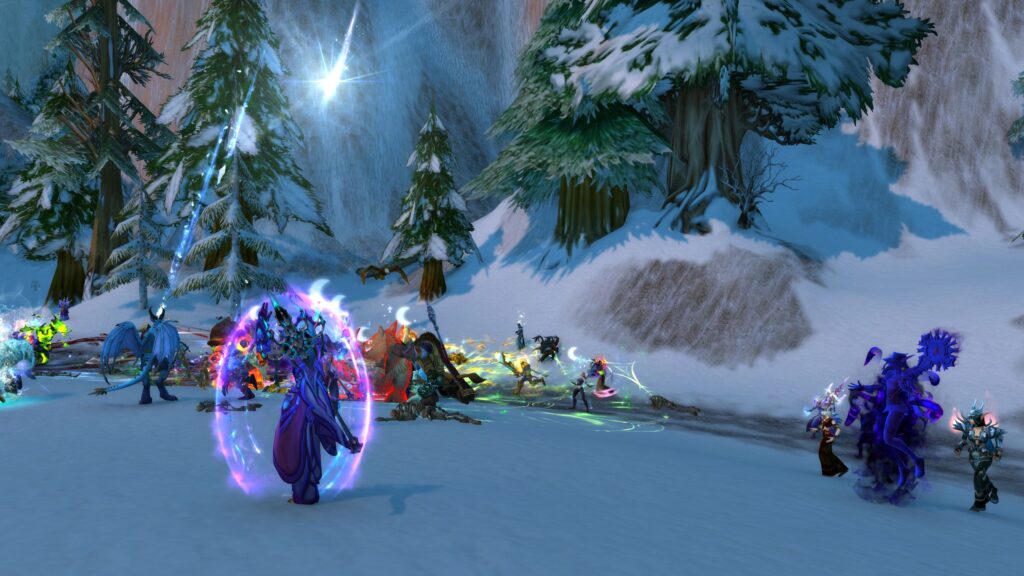
In this article, we’ll explore the evolution of WoW’s PvP system from its earliest days to its current state in Dragonflight.
Vanilla WoW: The Birth of PvP
When WoW first launched, PvP was an open-world free-for-all with no structured system. Rivalries formed organically as players engaged in spontaneous battles outside major cities like Tarren Mill and Southshore.
Blizzard introduced battlegrounds like Warsong Gulch and Alterac Valley to provide structured PvP experiences, along with the Honor System, which rewarded players with ranks and exclusive gear. However, this system required excessive grinding, favoring players who could dedicate countless hours to PvP.
The Burning Crusade: Arenas and Competitive Play
The Burning Crusade introduced Arena PvP, bringing structured team-based combat with 2v2, 3v3, and 5v5 brackets. This system introduced the Arena Rating, allowing players to earn competitive rewards based on skill rather than sheer playtime.
Resilience, a new PvP-specific stat, was also introduced, reducing damage taken from other players and shifting the meta toward strategic play rather than pure burst damage.
Wrath of the Lich King: Battleground Improvements and Dual Spec
Wrath of the Lich King refined battleground PvP, adding Strand of the Ancients and Isle of Conquest. The expansion also made arena play more accessible by improving matchmaking and reward distribution.
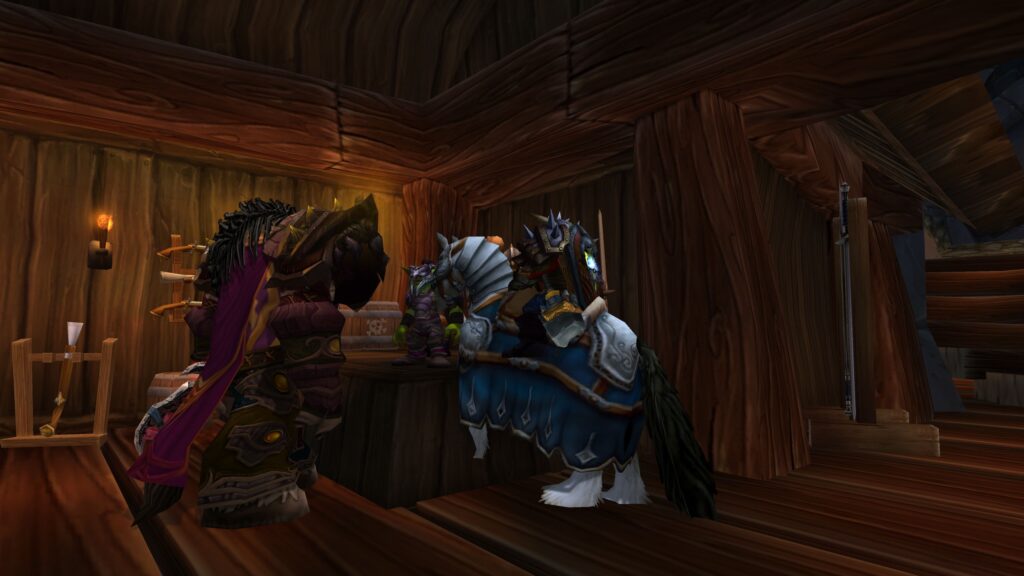
The addition of Dual Spec allowed players to switch between PvE and PvP builds more easily, making participation in both aspects of the game more seamless.
Cataclysm and Mists of Pandaria: Rated Battlegrounds and Balance Refinements
Cataclysm introduced Rated Battlegrounds (RBGs), giving large-scale PvP teams a competitive outlet beyond arenas. Blizzard also reworked the PvP gear system, making conquest gear more accessible to casual players.
Mists of Pandaria further balanced PvP with the introduction of Battle Fatigue, reducing the effectiveness of healing in PvP to prevent drawn-out fights. PvP Power, a new stat, improved damage dealt against players, helping differentiate PvP gear from PvE gear.
Warlords of Draenor and Legion: Templates and War Mode
Warlords of Draenor removed resilience and introduced gear scaling, reducing the gap between high- and low-geared players. However, this system was controversial, as many players felt it took away the importance of gear progression.
Legion introduced Templates, which standardized PvP stats, making gear completely irrelevant in PvP. While this made PvP more balanced, it also removed incentives for PvP players to grind for better gear.
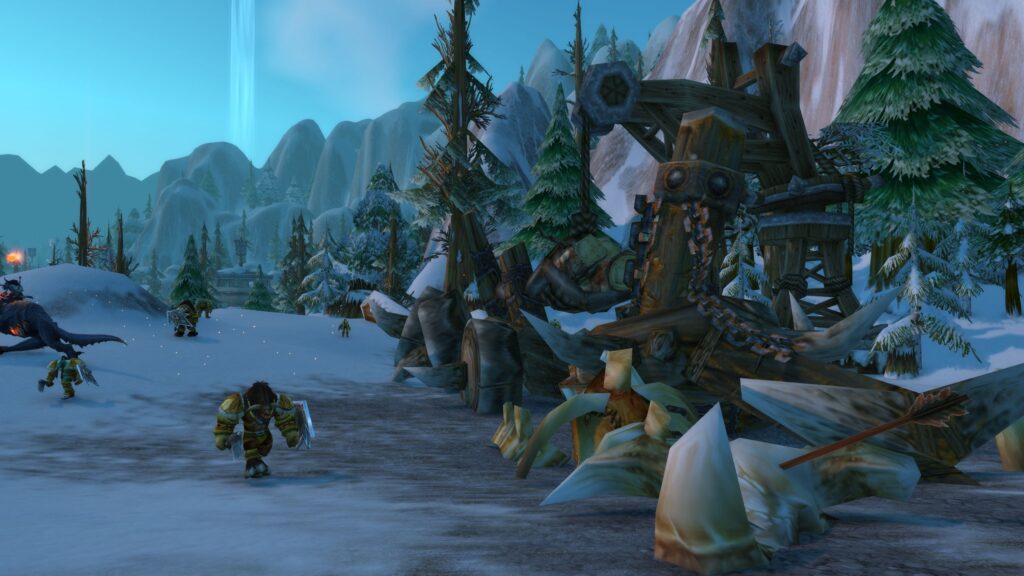
To counteract this, Blizzard introduced War Mode in Battle for Azeroth, replacing traditional PvP and PvE servers with an opt-in world PvP system that granted additional rewards for participation.
Shadowlands and Dragonflight: Modern PvP Refinements
Shadowlands reintroduced PvP gear scaling while keeping separate PvE and PvP gear progression paths, giving players clearer incentives to engage in either mode. The return of Honor and Conquest vendors allowed players to purchase gear directly, bringing back a system reminiscent of earlier expansions.
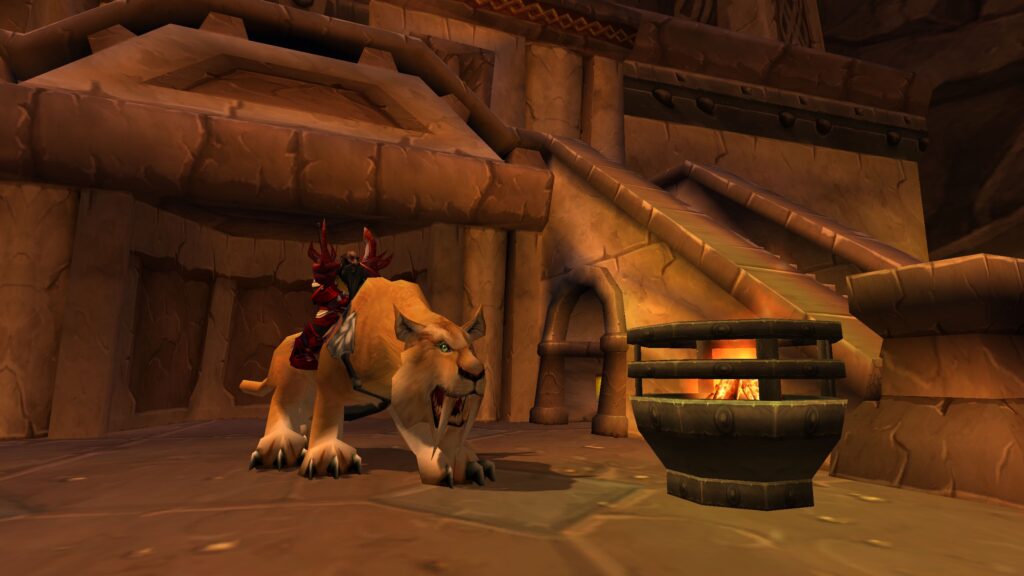
Dragonflight refined the PvP reward structure further, increasing accessibility while maintaining skill-based progression. The removal of borrowed power systems ensured that class balance remained more consistent across PvP seasons.
Conclusion: PvP’s Evolution Over the Years
WoW’s PvP system has undergone significant transformations since its inception, from chaotic world PvP to structured, ranked competition. Each expansion has introduced new mechanics and refinements, shaping the modern PvP experience.
As Dragonflight continues to evolve, PvP remains a core part of the game, offering challenges for both casual and hardcore players alike.
Home