World of Warcraft is a game built on a rich, expansive lore that spans millennia of history. While Blizzard Entertainment has crafted most of this lore, the WoW community has long been an active participant in shaping and expanding the world’s story.
Player imagination, in the form of fan theories and speculation, has not only fueled endless discussions but has also had a surprising influence on the direction of the game. This article explores how fan theories have shaped the future of Warcraft lore and the profound impact that player imagination continues to have on the game’s evolving narrative.
The Role of Fan Theories in Warcraft’s Storytelling
Fan theories have been an integral part of Warcraft’s lore since the game’s early days. Players have long speculated on the true nature of the Old Gods, the fate of characters like Medivh, and the mysterious connections between various factions in Azeroth. These theories often arise from the smallest details — a cryptic line of dialogue, a forgotten piece of lore, or an unexplained event. Fans fill in the gaps with their theories, creating a rich tapestry of possibilities for the game’s future.
What’s remarkable is that Blizzard often acknowledges these theories in subtle ways, either through in-game references or story developments that align with or directly address fan speculation. This two-way conversation between Blizzard and the community creates a dynamic storytelling environment where fan ideas can influence the official narrative. The theorycrafting culture in the WoW community is one of the driving forces behind the ongoing engagement with the game’s lore.
- Speculative Lore: Fans build complex theories around cryptic lore, expanding on characters and events that Blizzard has only hinted at.
- In-Game Easter Eggs: Blizzard often acknowledges fan theories by including subtle references to popular speculations in the game world.
- Community Engagement: The active exchange between Blizzard’s storytelling and player theories fosters a deeper connection to the lore.
How Fan Theories Have Influenced Major Story Arcs
Over the years, fan theories have not only sparked conversation but also influenced major story arcs in World of Warcraft. One of the most notable examples is the widespread fan theory surrounding the return of the Lich King after his defeat in *Wrath of the Lich King*. For years, players speculated about his possible return, and Blizzard eventually wove that theory into the story in *Legion*, with the return of Bolvar Fordragon and the Helm of Domination being central elements of the expansion’s narrative.
Similarly, the speculations around the Burning Legion’s return were explored and expanded upon in *The Burning Crusade* and *Legion*, directly responding to fan theories about the Legion’s potential comeback. These moments show how fan theories can both fuel anticipation for expansions and inspire the direction of the game’s storylines, blending player ideas with Blizzard’s vision for the future.
- The Return of the Lich King: Fan theories about the Lich King’s return were realized in *Legion*, with Bolvar’s involvement shaping the narrative.
- Burning Legion’s Resurgence: The theory of the Legion’s return was a major fan discussion, which Blizzard turned into the central focus of *Legion*.
- Integration with Canon: Blizzard has incorporated popular fan theories into the game, blurring the lines between player speculation and official lore.
The Impact of Player Imagination on the Future of Warcraft Lore
Looking forward, the power of player imagination will continue to shape the future of Warcraft’s lore. Fan theories help keep the community engaged and invested in the game’s evolving story. As players speculate about upcoming expansions, future characters, and unresolved mysteries in the game, Blizzard has an opportunity to craft a narrative that reflects the desires and expectations of its player base. This ongoing dialogue between players and developers creates an organic, ever-evolving world where the lore is shaped not only by official content but by the creativity of the community.
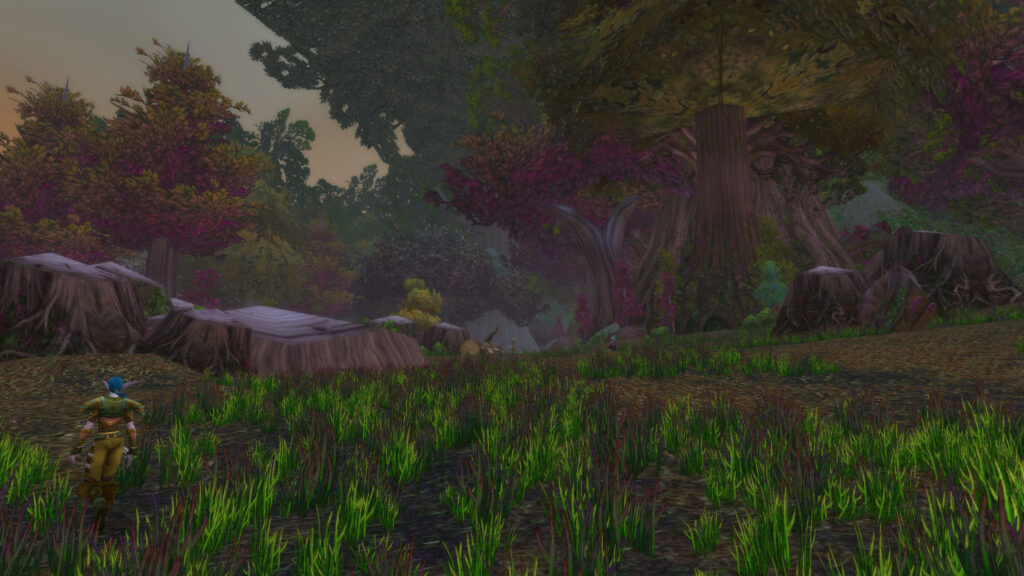
In this sense, WoW’s lore is not just something to be consumed; it’s a collaborative process that involves players in the creation and evolution of the game’s narrative. By embracing fan theories and allowing players to contribute to the storytelling process, Blizzard has created a living, breathing world that continues to inspire the imagination of millions of players.
- Collaborative Worldbuilding: Player theories help Blizzard shape the ongoing narrative and guide future storytelling decisions.
- Fan Expectations: Theories create anticipation for new content, with fans eager to see their speculations come to life.
- Player-Centric Storytelling: WoW’s lore has become a reflection of the community’s imagination, with players and developers working together to build the story.
Conclusion
World of Warcraft’s lore has always been a collaborative effort, with fan theories playing a pivotal role in shaping the narrative. The power of player imagination continues to influence the game’s storytelling, with fan theories becoming an integral part of WoW’s evolving lore.
By incorporating elements of player speculation and responding to community expectations, Blizzard has created a dynamic storytelling environment that keeps players engaged and invested in the future of Azeroth. As long as players continue to dream, speculate, and theorize, the world of Warcraft will remain a living, breathing narrative shaped by the collective imagination of its community.