To choose the right World of Warcraft raid guide, start by considering your playstyle and gear needs. Look for detailed guides that break down each boss phase and provide role-specific strategies. Make sure the author is experienced and check community feedback for reliability. Pay attention to guide accessibility, including formats and visual aids for ease of use during raids. Updated guides are essential, so prioritize those reflecting the latest patches and expansions. User feedback can offer insights into the guide’s accuracy and usefulness. By following these steps, you’ll find a raid guide that enhances your gameplay and boosts your raid success.
Key Takeaways
- Assess guide depth: prioritize detailed boss phase breakdowns and role-specific instructions.
- Verify author credibility by checking their experience, past successes, and community feedback.
- Evaluate user feedback for accuracy and clarity, focusing on highly engaged and constructive comments.
- Ensure guide accessibility with clear headings, visual aids, and multiple formats like text and video.
- Confirm update frequency to ensure the guide reflects the latest patches and game changes.
Understand Your Needs
Before diving into the complexities of organizing a successful raid, it’s crucial to understand your needs as a player or raid leader. First, assess your playstyle preferences. Are you a casual player who enjoys a relaxed atmosphere, or are you a hardcore raider chasing top-tier achievements? Knowing this will guide you in choosing a raid guide that aligns with your expectations.
Next, consider gear optimization. Successful raiding requires your character to be at peak performance. Look for guides that offer detailed advice on optimizing your gear. This includes not only what items to equip but also how to enchant and socket them effectively. A guide that provides a thorough overview of gear stats and their impacts on your character can be invaluable.
Additionally, think about the specific needs of your raid group. If you’re leading a raid, you’ll need strategies that cater to various classes and roles. Understanding the strengths and weaknesses of each can help you organize your team more efficiently.
Evaluate Guide Depth
When evaluating the depth of a raid guide, it’s essential to look beyond surface-level tips and tricks. You want a guide that dives deep into the mechanics, strategies, and nuances of the encounter. Different guide formats and tutorial styles can vastly impact how much you’ll learn and apply in-game.
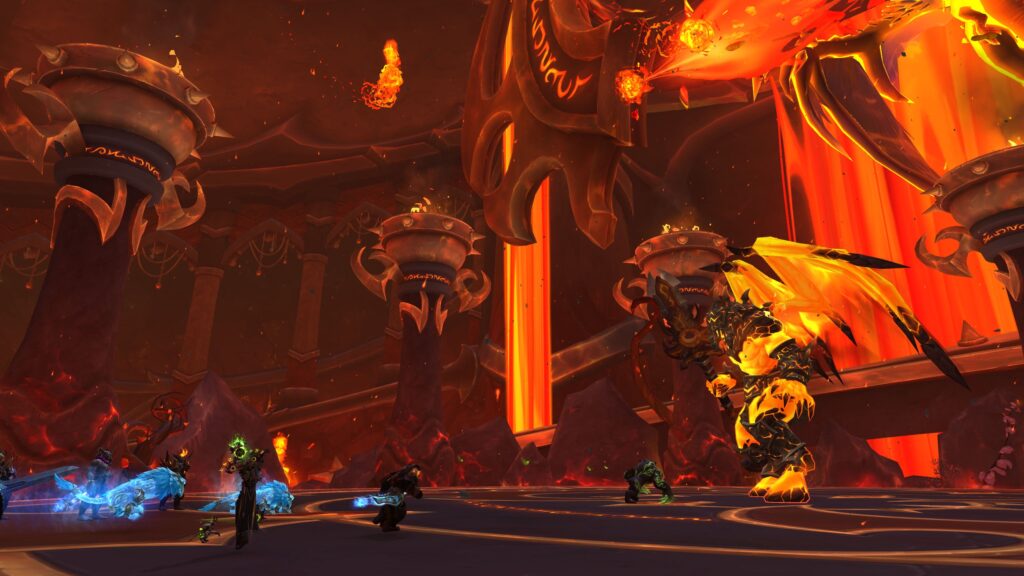
First, consider whether the guide offers a breakdown of each boss phase, detailing abilities and counters. A high-quality guide should include both written summaries and visual aids like diagrams or videos. The combination of these elements can cater to various learning styles and guarantee you comprehend the material thoroughly.
Here’s a comparison table to help you assess guide depth:
| Criteria | Superficial Guide | In-Depth Guide |
|---|---|---|
| Boss Phase Breakdown | Brief Overview | Detailed Step-by-Step |
| Visual Aids | Rarely Used | Extensive Diagrams and Videos |
| Strategy Explanation | Basic Tips | Thorough Strategies |
| Player Role Specifics | General Info | Role-Specific Instructions |
Check Author Credibility
While evaluating the depth of the raid guide is fundamental, ensuring the credibility of its author is equally important. A guide is only as trustworthy as the person who wrote it. Begin by looking into the author’s experience with World of Warcraft. Have they been playing the game for years, or are they relatively new? Veteran players often provide insights that can be invaluable, especially for complex raids.
Next, examine their writing style. Is it clear and easy to understand, or does it complicate things with jargon? A good raid guide should break down tasks and strategies in an accessible manner. If the author uses overly technical language, you might find yourself lost in translation rather than focusing on defeating bosses.

It’s also worth checking if the author has a history of writing successful guides. Look for reviews or community feedback. Positive comments and high engagement often indicate that the guide is both reliable and useful. By ensuring that the raid guide’s author has both the necessary experience and a readable, approachable writing style, you’ll set yourself up for a smooth and successful raid experience.
Assess Guide Accessibility
Jump into evaluating guide accessibility by considering how easily you can navigate and understand the information provided. You should look at the guide formats available and whether they cater to different learning styles. Here are three key aspects to think about:
- Formats: Does the guide come in various formats like written text, videos, or interactive tools? Different formats can help you grasp complex raid mechanics better.
- Visual Aids: Are there visual aids such as images, diagrams, or annotated screenshots? These can simplify understanding positioning, boss abilities, and strategies, making the guide more user-friendly.
- Layout: Is the guide well-organized with clear headings, bullet points, and concise paragraphs? A clutter-free layout guarantees that you can find critical information quickly during a raid.
Assess if the guide is designed to be intuitive and straightforward. High accessibility means less time deciphering poorly presented information and more time mastering the raid. Don’t hesitate to try different guides to see which one aligns best with your needs and learning style. Opting for well-structured, visually supported guides can greatly enhance your gameplay experience in World of Warcraft.
Review Update Frequency
Keeping your raid guides current is vital for staying ahead in World of Warcraft. The game is constantly evolving with new patches, expansions, and adjustments to mechanics. Understanding the importance of update consistency helps you select a guide that won’t lead you astray. Guides with frequent updates guarantee content freshness, which means the strategies and boss mechanics you rely on are based on the latest data.

Choosing a guide that’s regularly maintained means you’re less likely to hit snags that come from outdated information. Frequent updates also show that the guide’s creators are actively engaged with the game, providing reassurances that they’re in tune with player needs and ongoing changes. Look for guides that specify their update frequency, for instance, updating after every major patch or hotfix.
Content freshness is vital not just for strategies but for understanding new loot distributions, class adjustments, and dungeon tweaks. A maintained guide guarantees that you’re equipped with the most current knowledge, setting you up for success. In short, prioritize guides with a high update consistency, so you always have the latest info at your fingertips.
Cross-Reference User Feedback
When you look at user feedback, it’s essential to evaluate the accuracy of the guides against players’ experiences. Check out community recommendations for insights that can enhance your strategies. Guarantee the quality of user comments is high to filter out misleading information.
Evaluating Guide Accuracy
User feedback is an invaluable resource for evaluating the accuracy of raid guides in World of Warcraft. By listening to the experiences of other players, you can determine if a guide is thorough and trustworthy. When cross-referencing user feedback, focus on the following key aspects:
- Guide Formatting: Check if users mention that the guide is well-structured and easy to follow. A well-organized guide will help you quickly find the strategies and tips you need during a raid. Look for feedback that highlights clear headings, step-by-step instructions, and logical flow.
- Visual Aids: Visual elements like maps, diagrams, and charts can greatly enhance your understanding of complex raid mechanics. User reviews often point out if a guide includes helpful visual aids. Positive feedback on visuals usually indicates that these elements made difficult sections easier to grasp.
- Accuracy of Information: Accurate and up-to-date information is critical. Players’ comments on the guide’s relevance to the current game patch and its effectiveness in actual raids will help you gauge this. Make sure that multiple users vouch for the guide’s reliability and thoroughness.
Community Recommendations Insights
Tapping into the collective wisdom of the gaming community is instrumental when seeking out the best raid guides for World of Warcraft. Community experiences provide valuable insights into the effectiveness of various guides. You’ve got a pool of seasoned players who’ve already paved the way, exploring different strategies and perfecting their approaches. This wealth of shared knowledge can point you toward guides that truly make a difference.

When vetting these recommendations, popular strategies that other players find successful often serve as benchmarks for what works best. These strategies have undergone rigorous testing and tweaking, so you’re tapping into proven methods rather than trial and error. Online forums, social media groups, and even in-game guild discussions are gold mines for this kind of vetted information.
Quality of User Comments
Although it can be easy to get lost in the sheer volume of online feedback, evaluating the quality of user comments can greatly enhance your search for reliable World of Warcraft raid guides. By focusing on user engagement and effective comment moderation, you can sift through the noise and zero in on the most useful insights.
Here’s how you can evaluate the quality of user comments:
- Relevance: Are the comments directly related to the raid guide? Look for those that talk about specific encounters, strategies, and updates that are relevant to the content.
- Constructiveness: Prioritize comments that provide clear, constructive feedback rather than just complaints or praise. These insights are often more applicable and helpful for your needs.
- Engagement Level: High user engagement, like replies and upvotes, often indicates the comment’s validity and usefulness. A comment that sparks conversation can be particularly valuable.
Frequently Asked Questions
What Is the Optimal Number of Players for a Raid Group?
When considering raid size, the ideal number of players typically falls between 10 and 30. It all depends on your group’s player experience. If everyone is seasoned and well-coordinated, you might maximize the group for efficiency. For newer players, a smaller, more manageable raid size could be better to guarantee everyone learns and adapts effectively. Always balance your raid size with the team’s overall experience and communication skills.
Are There Specific Class or Role Recommendations for This Raid?
It’s no coincidence you’re asking about class and role recommendations. Class synergies and role effectiveness are essential. Think about balancing healers, tanks, and DPS for peak performance. Healers like Druids synergize well with durable tanks, while classes such as Mages offer excellent burst damage. A mix guarantees every role complements the others, maximizing your raid’s success. Remember, communication and teamwork elevate any group, regardless of the specific class.
Is Voice Communication Necessary for Successful Coordination?
Yes, voice communication is essential for successful coordination. It enhances team dynamics by allowing real-time feedback and instructions, ensuring that everyone is on the same page. During strategic execution of complex maneuvers, clear voice commands can mean the difference between success and failure. While not mandatory, using voice communication will considerably improve your team’s effectiveness and overall performance in any raid. Don’t underestimate its value.
How Long Does a Typical Raid Session Last?
A typical raid session in World of Warcraft usually lasts around 3-4 hours. Effective raid time management is essential, so you should prioritize quick breaks and keep your group focused. Employing solid raid preparation strategies, like gearing up and knowing fight mechanics, can make the session smoother. Being prepared and efficient helps you maximize progress, lessening the overall time spent grinding through the raid. Happy raiding!
Can These Guides Be Used for Both Alliance and Horde Factions?
Imagine you’re traversing the wild west of Azeroth, wondering if raid guides work for both factions. Yes, these guides often provide valuable tips for both Alliance and Horde players. While some faction advantages might be highlighted, the guide’s effectiveness won’t be limited to one side. Just pay attention to any faction-specific nuances mentioned, and you’ll find yourself well-prepared for any raid your faction undertakes.
Conclusion
To sum up, when choosing your World of Warcraft raid guide, remember that “knowledge is power.” Understanding your needs, evaluating the guide’s depth, and checking the author’s credibility are essential. Make sure the guide is accessible and frequently updated. Don’t forget to cross-reference user feedback for more insights. By following these steps, you’ll find a guide that enhances your raid experience and helps you conquer Azeroth’s toughest challenges. Happy raiding!
Enjoyed this post? Share your thoughts on our blog!